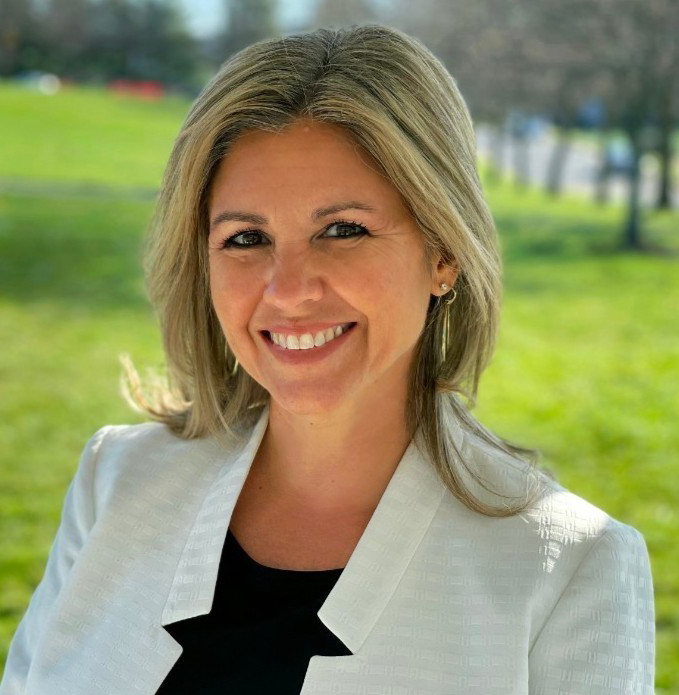
When you hear the word homelessness, what image comes to mind?
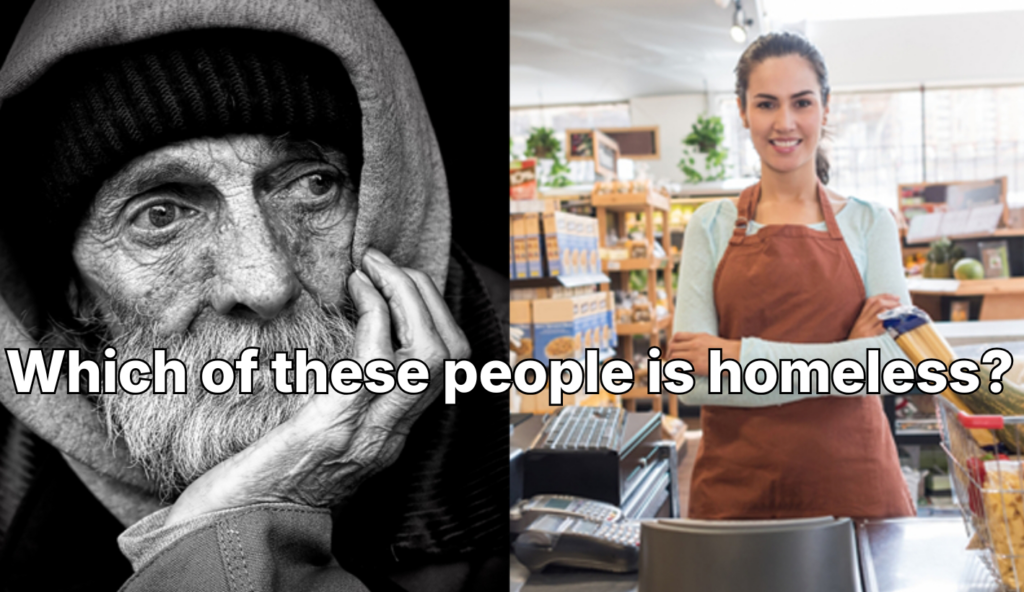
In the image above, the answer could be either of them or both. For many people, it’s someone sleeping on a park bench, standing at a busy intersection holding a sign, or pushing a shopping cart filled with belongings.
The reality is much different.
Homelessness often looks like the cashier who helped you at the grocery store. It may be the coworker who never mentions they’re sleeping in a motel. It could be the parent sitting next to you at a school event, quietly worrying about where their family will stay next month.
Most people experiencing homelessness don’t fit the stereotype.
In fact, many adults experiencing homelessness are working. Others have recently lost employment, escaped domestic violence, experienced a medical emergency, or simply found themselves unable to keep up with rising housing costs. For many, homelessness isn’t caused by one catastrophic event; it’s the result of a series of financial setbacks that gradually become impossible to overcome.
Today’s housing crisis has made that reality even more common.
Across the country, homelessness has reached historic levels. According to the U.S. Department of Housing and Urban Development (HUD), more than 770,000 people experienced homelessness on a single night in 2024, the highest number ever recorded. Rising housing costs, inflation, and a shortage of affordable housing continue to push more individuals and families into housing instability.
Here in Harford County, we see these realities every day.
Many of the adults who come to Harford Family House never imagined they would need emergency shelter or supportive housing. They aren’t defined by their circumstances; they’re parents, veterans, young adults, seniors, caregivers, and hardworking neighbors who experienced a crisis they couldn’t overcome on their own.
Sometimes it’s a rent increase.
Sometimes it’s the loss of a job.
Sometimes it’s an illness, an unexpected car repair, or rising utility bills that leave no room in the household budget.
When housing costs continue to outpace wages, it doesn’t take much for stability to disappear.
The good news is that homelessness doesn’t have to become a permanent condition.
With safe shelter, individualized case management, employment assistance, financial coaching, and permanent housing solutions, adults can rebuild their lives and regain independence. At Harford Family House, we see these success stories every day. When someone has a safe place to sleep and a team of people walking alongside them, hope becomes possible again.
The next time you hear the word homelessness, remember this:
It doesn’t always look the way you think.
It often looks just like the people you pass every day.
And with the support of a caring community, those same neighbors can find stability, independence, and a place to call home.
Share
Sources
- U.S. Department of Housing and Urban Development. 2024 Annual Homelessness Assessment Report (AHAR) to Congress: Part 1 – Point-in-Time Estimates of Homelessness. December 2024.
- National Alliance to End Homelessness. HUD Releases 2024 Annual Homelessness Assessment Report. December 27, 2024.